
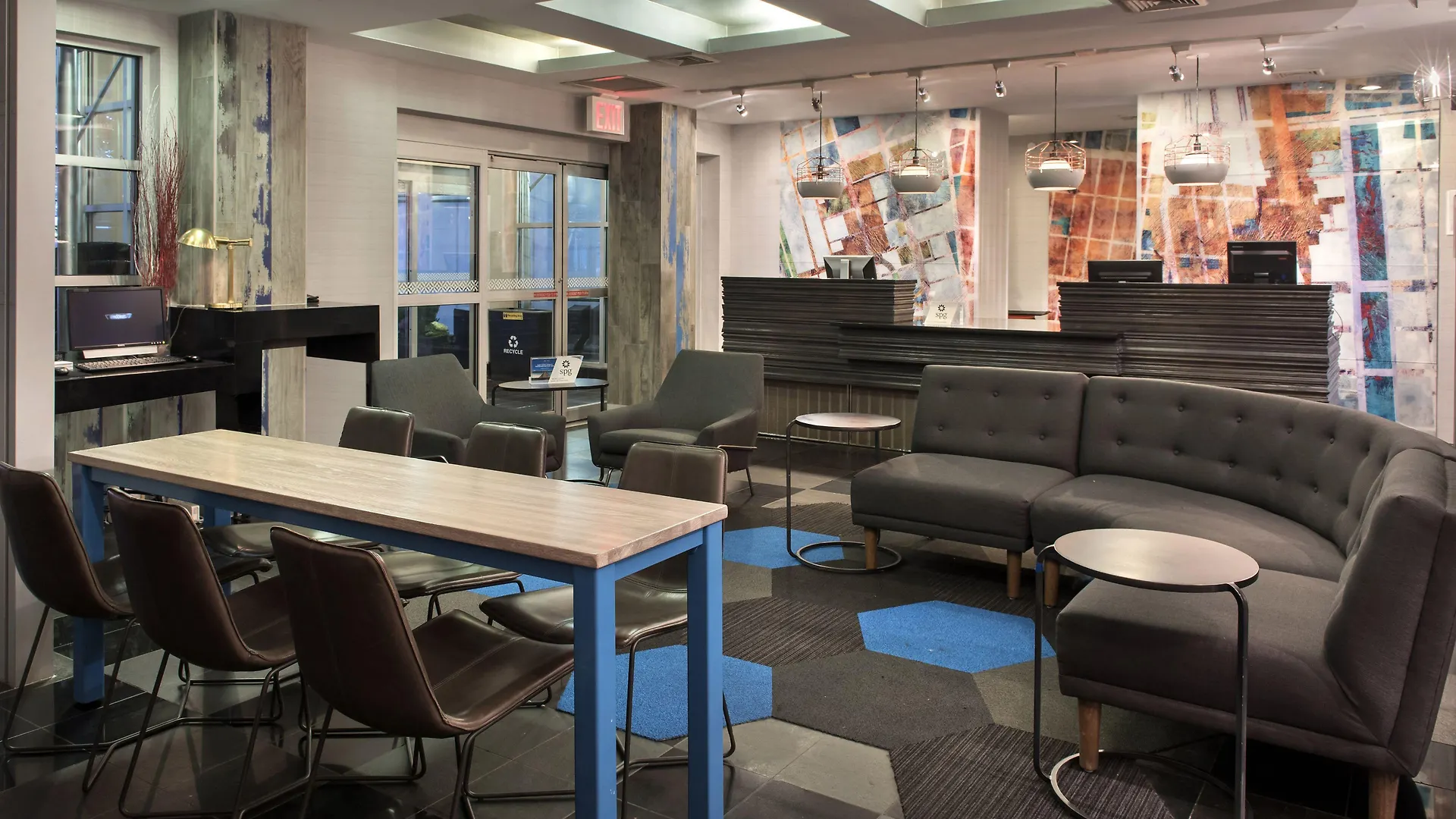
SoHo sits at the intersection of cast-iron architecture, high-end retail, and some of Manhattan's most walkable streets - but choosing the right hotel here means understanding exactly what you're paying for and where to position yourself. This guide compares 8 centrally located hotels in SoHo, from reliable chain options near the Houston Street subway to design-forward independents and a 5-star loft property, so you can book with confidence rather than guesswork.
What It's Like Staying in SoHo
SoHo is one of Manhattan's most compact and walkable neighborhoods, where staying centrally means most of what you need - subway access, restaurants, galleries, and retail - is within a 10-minute walk. The Houston Street (1/2/3) and Canal Street (A/C/E) subway lines give you fast access to Midtown, Lower Manhattan, and Brooklyn, making the neighborhood genuinely functional rather than just scenic. Weekend foot traffic on Broadway and Prince Street peaks significantly between 11am and 6pm, which affects how quickly you can move around on foot.
Pros:
- Walking access to Tribeca, Greenwich Village, Little Italy, and Chinatown without needing transit
- Multiple subway lines within around 5 minutes on foot
- Dense concentration of dining and independent coffee options within the neighborhood itself
Cons:
- Street noise from delivery trucks and nightlife is a real issue on lower floors along Broadway and West Broadway
- Weekend tourist density on the main shopping corridors slows pedestrian movement noticeably
- Hotel rates in SoHo run higher than comparable chain options in Midtown South or the Financial District
Why Choose a Central Hotel in SoHo
Centrally located hotels in SoHo occupy a specific market position: they charge a location premium that reflects proximity to both the neighborhood's amenities and Manhattan's broader transit grid. Expect to pay around 20% more than equivalent-category hotels in the Financial District for the same star rating, with the trade-off being genuine walkability rather than transit dependency. Room sizes in SoHo hotels vary significantly - some converted loft-style properties offer generous square footage, while purpose-built hotels on narrower lots can feel compact even at higher price points.
Pros:
- Central positioning reduces daily transport costs and time significantly
- Many SoHo hotels occupy architecturally distinct buildings that add to the stay experience
- On-site dining and bar options at most central properties mean you're not forced onto crowded streets for every meal
Cons:
- Central SoHo hotels book out around 6 weeks ahead during peak season, limiting last-minute flexibility
- Parking is expensive and scarce - not practical for guests arriving by car without pre-booked valet
- Budget-tier options in the neighborhood are limited; most properties sit in the mid-to-upper pricing band
Practical Booking & Area Strategy
For the best balance of walkability and quiet, hotels positioned on or just off Spring Street, Mercer Street, or Howard Street offer central access without the full noise exposure of Broadway. The Houston Street subway station (lines 1/2/3) is a reliable anchor - staying within a 2-minute walk of it puts Midtown around 20 minutes away by train, and the World Trade Center under 15 minutes. Canal Street station (A/C/E) adds further flexibility for JFK and Brooklyn connections via Atlantic Terminal.
SoHo's main draws - the New York City Fire Museum, the cast-iron Historic District, Washington Square Park, and the gallery corridor along West Broadway - are all walkable from any central property in the neighborhood. Little Italy is a 10-minute walk east, and the High Line is reachable in around 20 minutes on foot via the West Village. Book at least 5 weeks ahead for stays between April and June or September and November, when demand from both leisure and fashion-industry travelers pushes rates to their seasonal peaks.
Best Value Stays
These properties deliver consistent, well-located central access in SoHo at price points that don't require sacrificing core functionality - each sits within a short walk of at least one major subway connection.
-
1. Four Points By Sheraton Manhattan Soho Village
Show on map


 Check-infrom 15:00 until 23:59Check-outuntil 12:00
Just a few rooms left at the best rate!
fromUS$ 244
-
2. Sheraton Tribeca New York Hotel
Show on map


 Check-infrom 15:00 until 23:59Check-outuntil 12:00
Rooms filling fast – secure the best rate!
fromUS$ 87
-
3. Soho 54
Show on map


 Check-infrom 15:00 until 23:59Check-outuntil 11:00
Best price guarantee
fromUS$ 115
-
4. Courtyard New York Manhattan/SoHo
Show on map


 Check-infrom 15:00 until 23:59Check-outuntil 12:00
Just a few rooms left at the best rate!
fromUS$ 140
Best Premium Stays
These four properties operate at the upper end of SoHo's hotel market, each with a distinct identity - from design-hotel positioning to a full 5-star loft experience - and amenity sets that justify the premium over the value tier.
-
5. Arlo Soho
Show on map


 Check-infrom 15:00 until 23:59Check-outuntil 12:00
Rooms filling fast – secure the best rate!
fromUS$ 369
-
6. 11 Howard, New York, A Member Of Design Hotels
Show on map


 Check-infrom 16:00 until 23:59Check-outuntil 11:00
Just a few rooms left at the best rate!
fromUS$ 219
-
7. Soho Grand Hotel
Show on map


 Check-infrom 15:00 until 23:59Check-outuntil 12:00
Hurry – almost gone at this price!
fromUS$ 444
-
8. The Mercer
Show on map


 Check-infrom 15:00 until 23:59Check-outuntil 12:00
Hurry – almost gone at this price!
fromUS$ 356
Smart Travel & Timing Advice for SoHo
SoHo's hotel pricing follows a clear seasonal pattern: rates peak in September and October when New York Fashion Week demand combines with the fall tourism surge, pushing central properties to their highest nightly rates of the year. April through early June is the second busiest window, driven by spring leisure travel and conference season. January and February offer the lowest rates in the neighborhood - around 25% below peak - with noticeably thinner street crowds, though some outdoor terraces and seasonal restaurant offerings close during this period.
For most leisure stays, 3 nights is the practical minimum to extract real value from a SoHo base - it takes a full day just to cover the neighborhood itself and the immediately adjacent areas of Tribeca and Greenwich Village on foot. Book at least 5 weeks ahead for any stay between late September and early November, particularly for the Soho Grand, The Mercer, and Arlo Soho, which fill earliest due to limited room counts. Last-minute availability in SoHo is possible in winter but rare in the shoulder and peak seasons, and late booking typically means paying above the average nightly rate with fewer room-type choices.


